ShoQs
ShoQs, established in 2025, are short-form economics media created by UW–Madison students designed to showcase contributing writers’ creativity and communication skills. ShoQs take the form of concise collaborative articles and short videos that break down economic ideas, research, and real-world applications in an accessible way. These pieces are meant to help fellow Badgers engage with economic topics that shape student life and everyday decision-making, without requiring a technical background.
We’ll be featuring one ShoQ each week, starting Monday, February 16th. Keep an eye out for these pieces as a snapshot of the diverse interests and voices within the UW–Madison economics community.
With questions, reach out to equilibriumecon@gmail.com.

The Rise of Sports Gambling and its Effect on Casinos
By Gabriel Pirlot, Akshaj Kumar, and Raja Chinnakotla
“As online gambling becomes legal in many states, how is this affecting your average casino’s bottom line? Is the future of sports gambling already here?”

The Economics Behind the Green New Deal
By Leo Levin
“The Green New Deal has sparked debate not just over climate policy, but over jobs, federal spending, and who bears the burden of action/inaction. As the U.S. weighs the cost of a sweeping economic transformation against the growing toll of climate-related damages, the stakes for marginalized communities hang in the balance.”
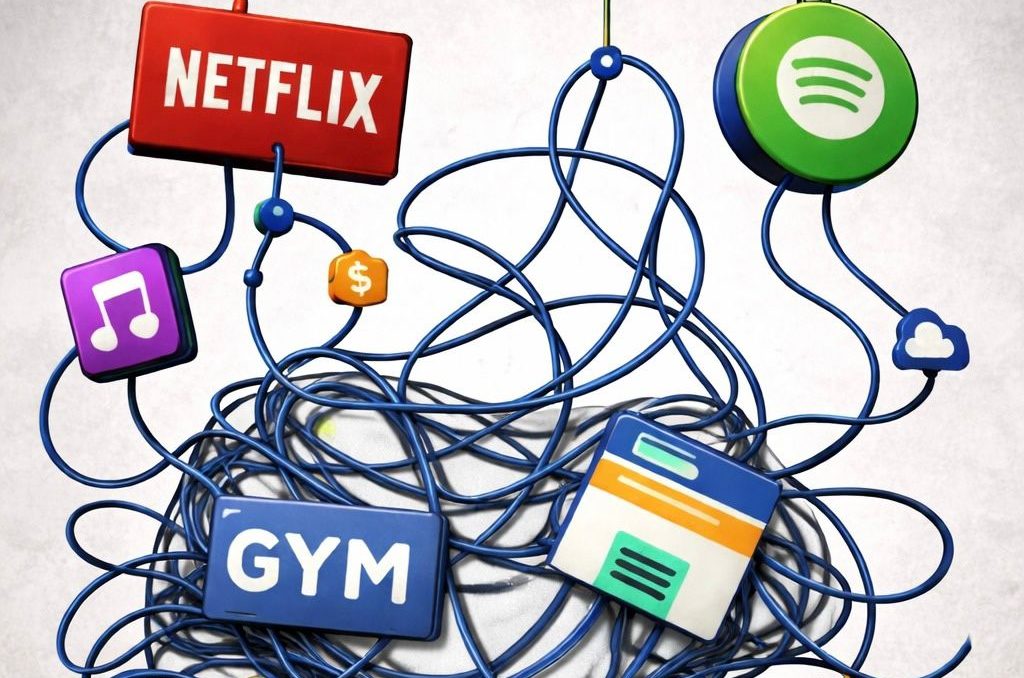
The Subscription Economy: From Choice to Default
By Vibha Nair
“Behind the subscription economy’s 435% rise lies a quieter story: a choice architecture that converts recurring decisions into default ones. This piece explores the behavioral economics of staying subscribed, and the welfare questions it raises.”

Focus Forward: DigitalRoads Safety Initiative
By Shreshth Rach
“What if the key to safer roads isn’t stricter laws, but smarter design? Focus Forward reimagines distracted driving policy by embedding proven behavioral nudges into the navigation apps people already use, delivering results that outperform traditional enforcement by a wide margin at minimal cost to taxpayers.”

How to Think About Net Exports
By Chloe Song
“Tariffs, trade deficits, and GDP growth dominate today’s economic headlines, but the conversation circles back to net exports. This piece breaks down what net exports measure, why the US has run a trade deficit for decades without sacrificing growth, and why the sign on that number tells you less than you might think.”

How Price Increases Make Hermès More Desirable Than Ever
By Ishita Jha and Shriya Samanta
“As prices climb across fashion, most brands risk losing shoppers, but Hermès turns rising prices into a symbol of greater exclusivity and desire. This article explores how Hermès defies basic economic logic through scarcity, status, and the power of the Veblen good.”

The Algorithm of Desire: TikTok’s Grip on Gen Z Spending
By Charlotte Vigy and Allison Fecke
“Have you ever wondered why you keep buying things you didn’t know you needed after scrolling TikTok? This article breaks down how TikTok’s algorithm turned a video app into a $24 billion economic machine and why the ‘organic’ recommendations you’re seeing aren’t as random as they seem.”

The UW–Madison Housing Crisis
By Anvika Annyapu, Rachelle Lang, Sarah Samman, and Jonathan Minnis
“As enrollment at UW–Madison’s rapidly increases, students are facing a housing crisis hiding in plain sight. We looked at what’s really going on and what’s being done about it.”

The Rising Opportunity Cost of College
By Shubhi Sancheti
“Is college still the safest educational investment? Or is the opportunity cost higher than ever? As tuition rises, labor markets shift, and alternative credentials gain ground, students are facing sharper tradeoffs than previous generations. The real question isn’t whether college has value; it’s who it pays off for, and under what conditions.”

Effects of Mass Deportation on U.S.-Born Workers
By Justin Yan
“Many assume that deporting undocumented immigrants would increase wages and boost jobs for U.S.-born workers, but the evidence points in the opposite direction. This piece explores the results of Secure Communities, a recent mass deportation effort, and examines what it means for the policies of today.”
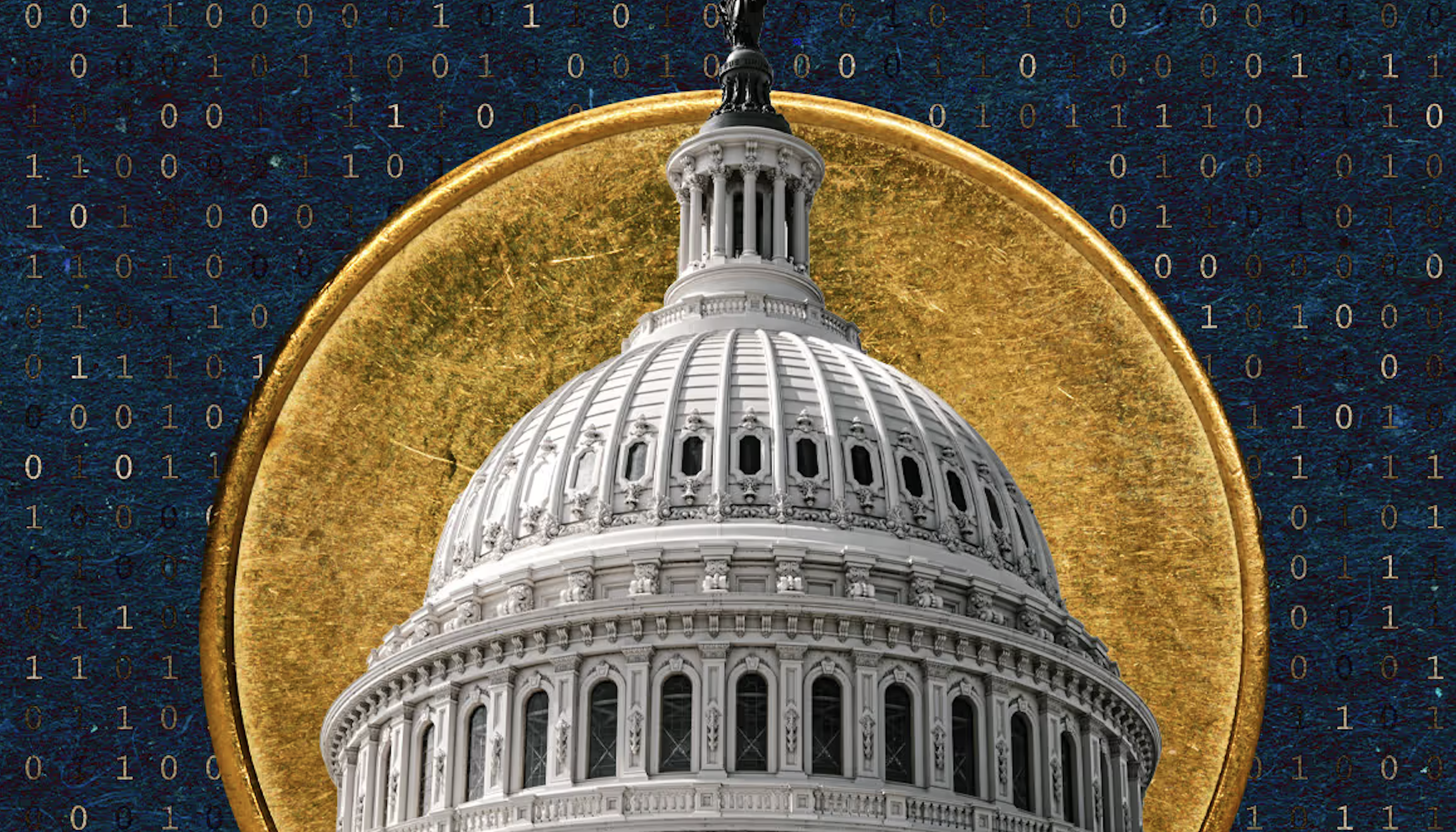
GENIUS Act: An Approach to the U.S. Fiscal Deficit
By Junius Lee
“Can the crypto market save the U.S. government from its debt crisis? The GENIUS Act proposes a bold shift by requiring stablecoins to be backed by U.S. Treasury securities, turning digital assets into a lifeline for the federal deficit. However, as traditional buyers pull back, this strategy raises a question: is the volatile world of crypto a reliable foundation for the national economy?”

Death Taxes: Is Raising the Exemption Bar Bad?
By Taehun Kim
“The federal estate tax exemption has climbed to $14.5 million per individual, reigniting debate over fairness and fiscal responsibility. This piece assesses whether concerns over revenue loss and inequality withstand empirical scrutiny—and whether raising the bar might have broader economic implications than critics anticipate.”